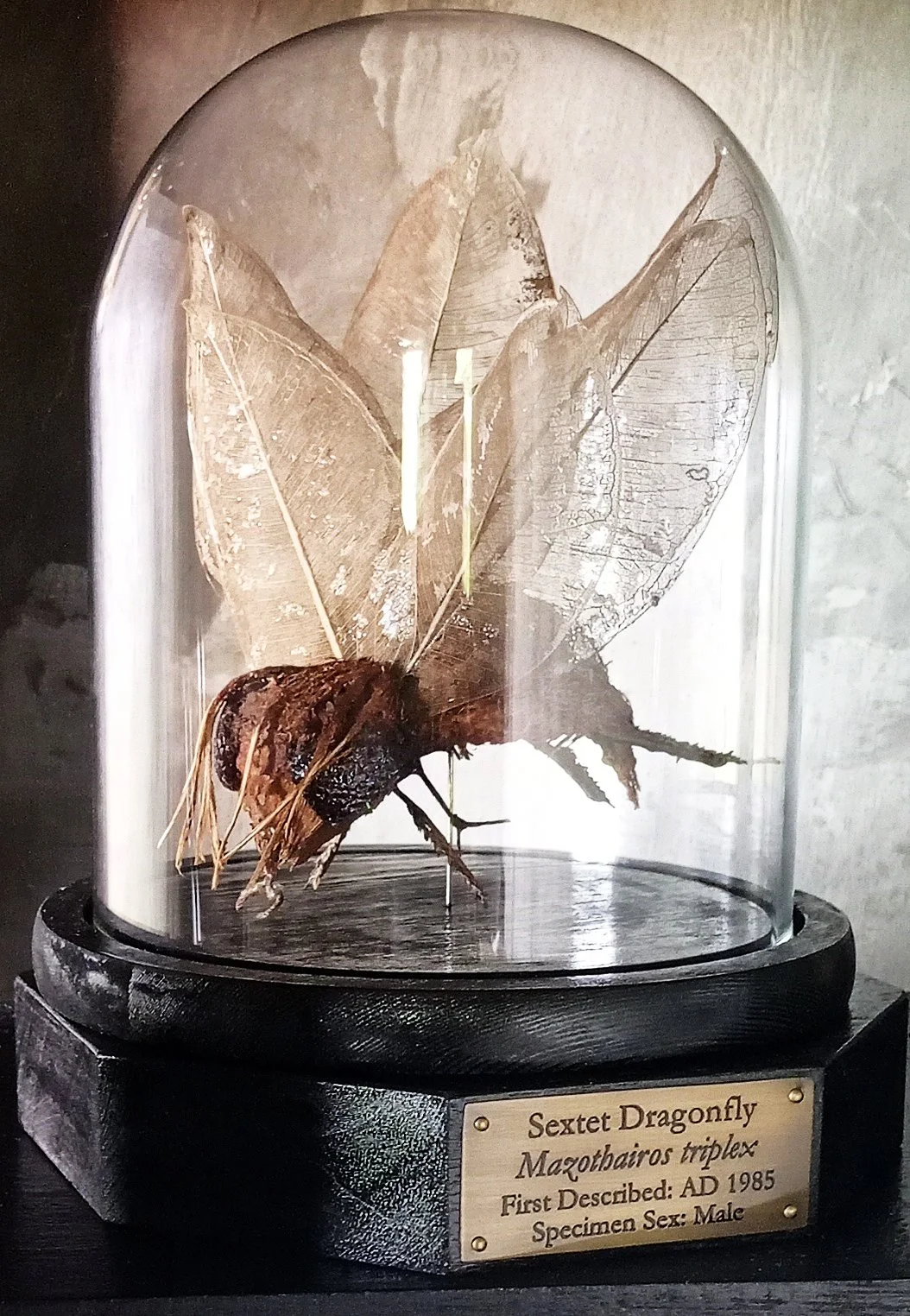
Common Name: Sextet Dragonfly
Scientific Name: Mazothairos triplex
Species Length: Wingspan approx. 550 mm
Specimen Length: Wingspan 149 mm
Specimen Sex: Male
First Described: AD 1985
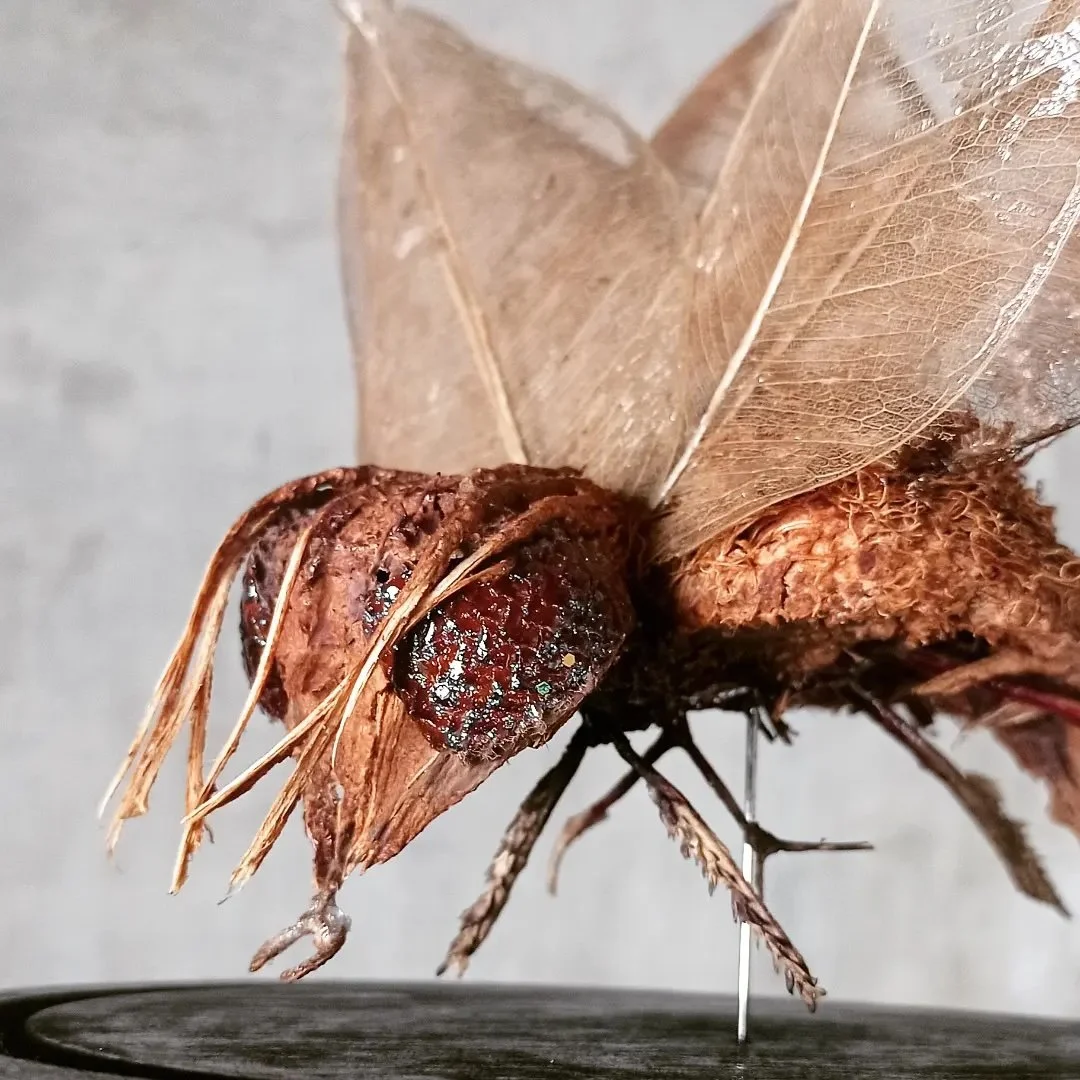
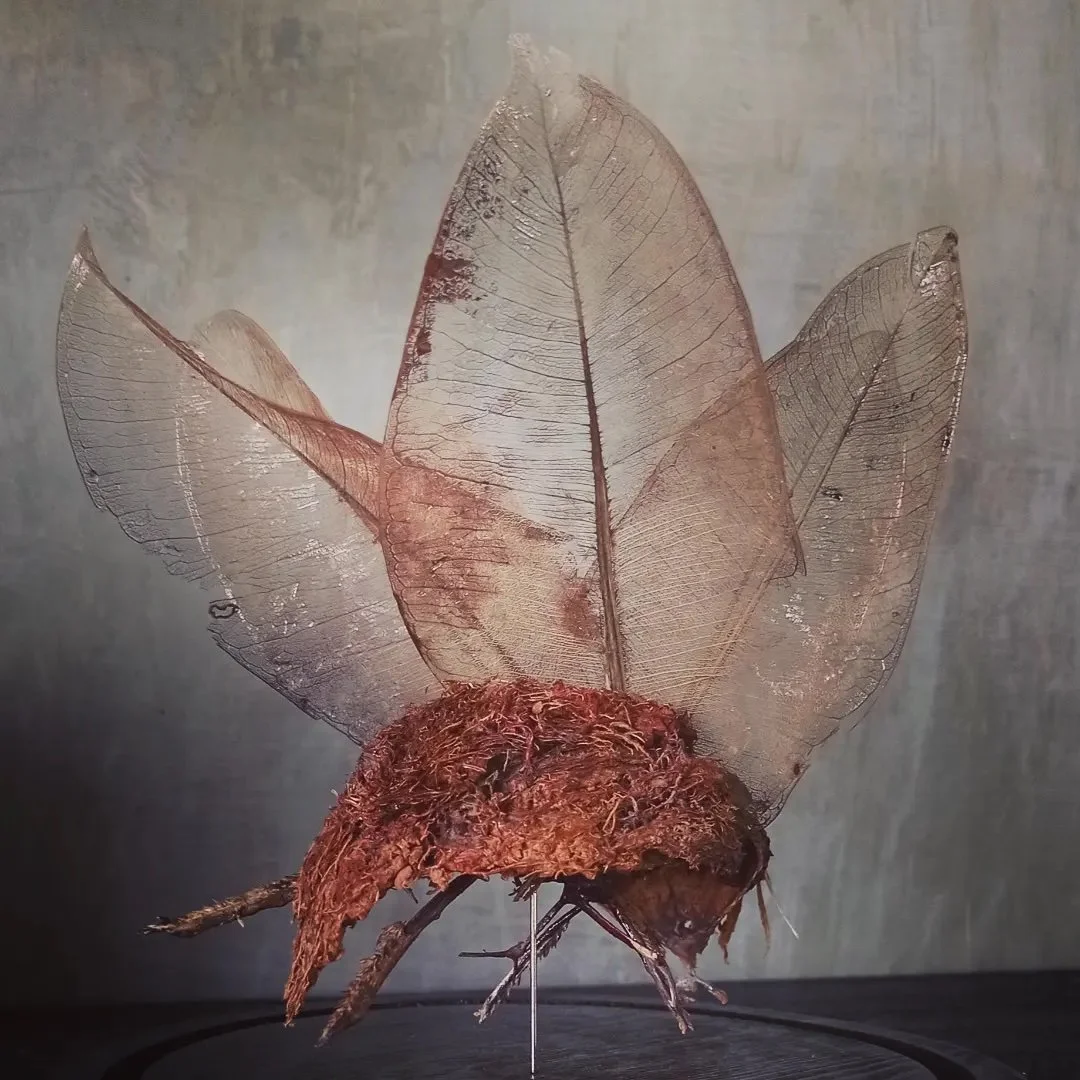
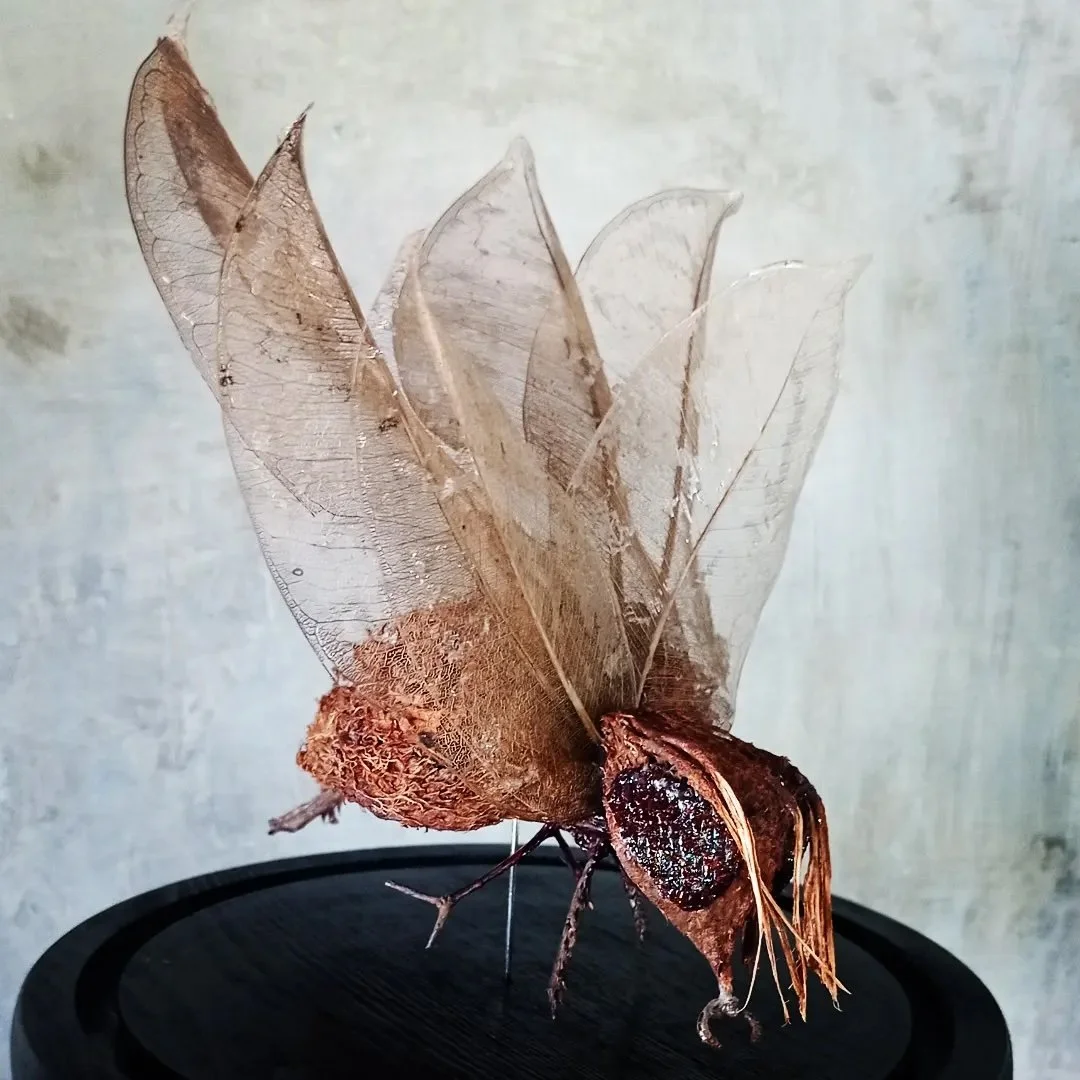
Description and Habitat: A mega-insect with six full-length wings, Mazothairos triplex was discovered in the Mazon Creek fossil beds of Illinois, USA in AD 1984. An extinct ancestor of modern day dragonfly from the Carboniferous period when oxygen levels were much higher, the Sextet Dragonfly has been recorded as having a wingspan of as much as half a meter. Insects then and now breathe through body openings that lead to an internal respiratory system called the tracheae. Oxygen is diffused through this network of tubes, and this process sets an upper limit to body size, but 350 million years ago oxygen levels were much closer to 35% (as opposed to today’s 21%) and much larger flying insects were common. The most recent suborder of the Palaeodictyoptera genus, these flying monsters were characterized by their distinctive beak-like mouthparts which featured elongated sharp piercing stylets used to pierce plant tissue as they fed, and an extra pair of wings. What set M. triplex apart was their ability to independently flap each one of their wings making them very agile and able to evade predators, such as Dendrerpeton, an enormous genus of amphibian from that time thought to have grown up to 3.2 feet in length.
Reproduction: This particular Mazothairos triplex specimen, however, is extremely special as it is the first semi-successful result of GAC (Genetic Augmentation Cloning) ever done of a prehistoric insect. Achieved in 2078 by the Chinese Institute of Genedynamics, DNA from their closest living relative was highly manipulated and hundreds of eggs produced, although only 36 developed into larval stage and none reached maturity. All but one perished before their wings developed, but this last sample is considered to have been very successful, although there were issues with torso development, which is truncated, and its sexual organs, rendering it sterile.
Life Span: 52 days.